Skip to content
HVAC Lens When to replace a filter

Read the system before you call.

Know what your HVAC is telling you before you spend on a service call.

HVAC Lens helps homeowners read filters, cycling, humidity, and system fit so routine decisions are clearer and contractor conversations are sharper.

30-90 dayscommon filter replacement window
3 cluesshort cycling, humidity, and room spread can expose sizing issues
2 system typesheat pumps and split AC each need slightly different questions

What we cover

The clues that matter most

Filter timing

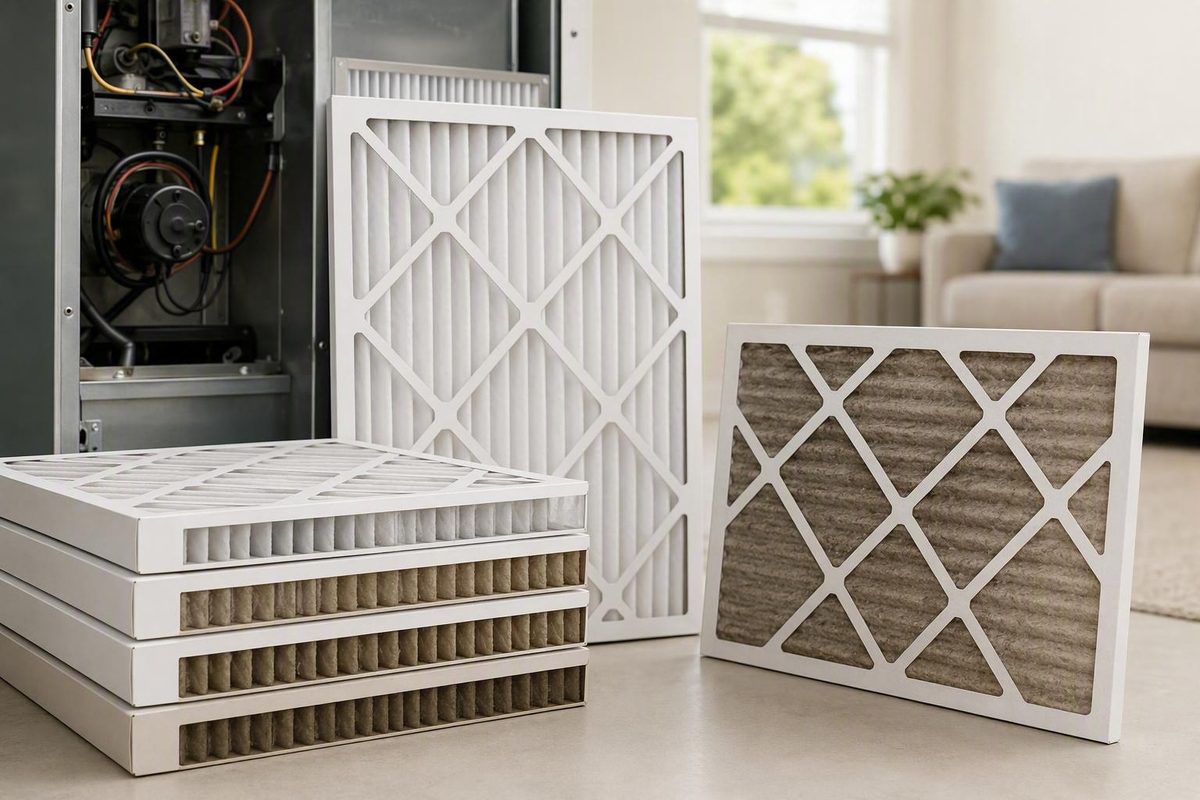
Know when a filter is dirty enough to replace, how filter thickness changes the schedule, and why airflow matters as much as dust.

Oversizing clues

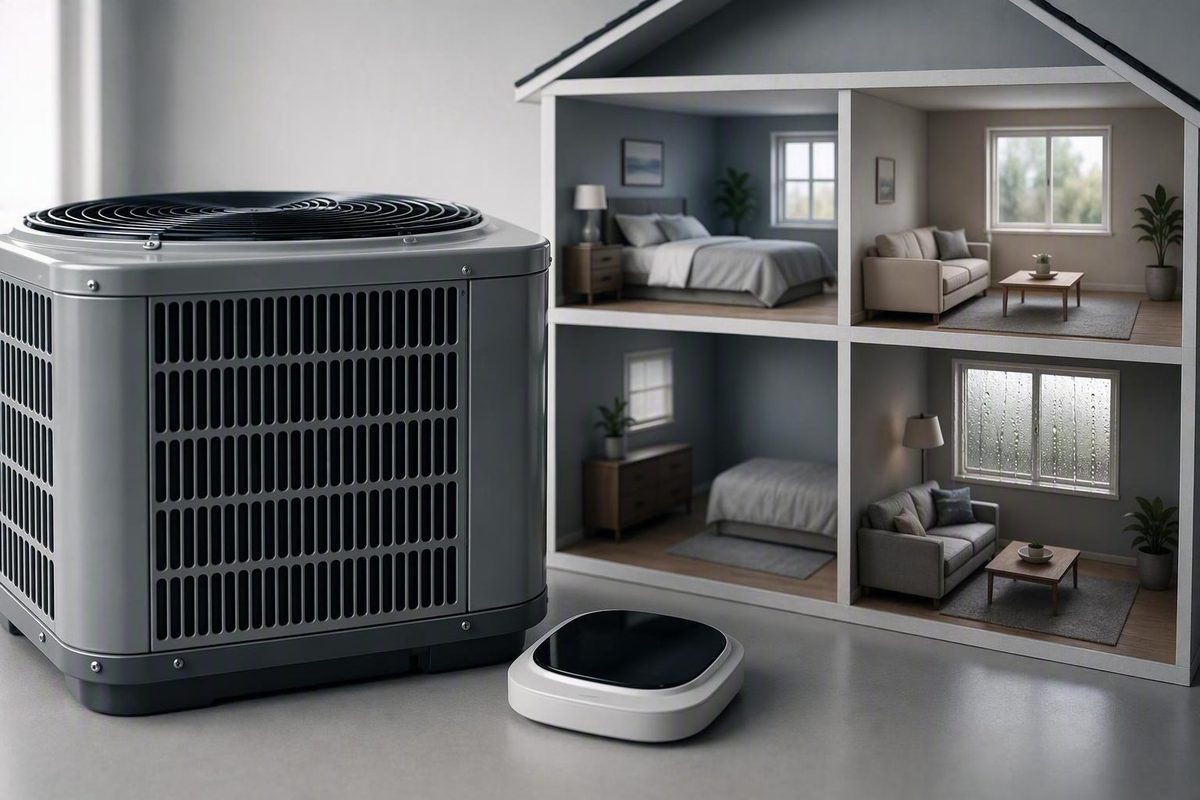
Read short cycling, clammy rooms, and quick temperature swings as clues that the system may be cooling too hard and too fast.

Humid-climate comfort

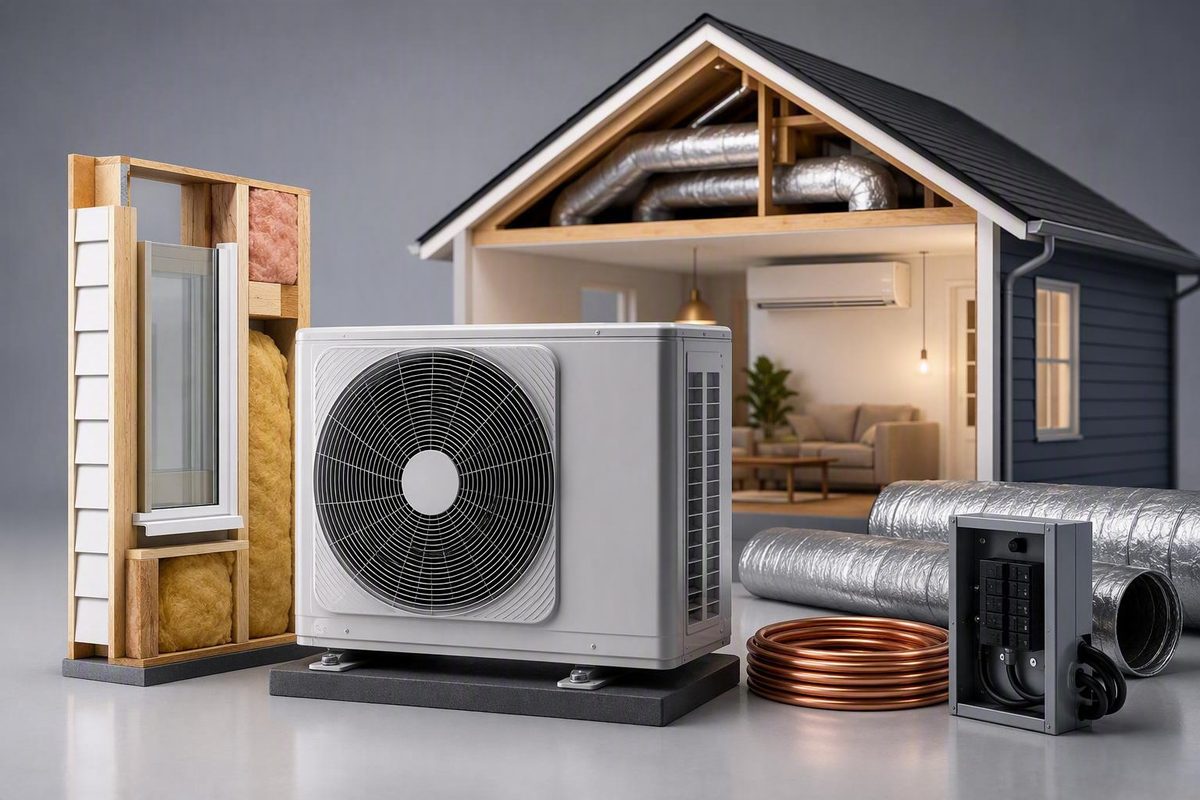
Compare heat pumps and central air in places where moisture control matters as much as temperature.

Better contractor questions

Ask about sizing, runtime, airflow, and humidity control instead of leading with the biggest equipment number.

How to use this site

A simple way to check your system

01

Check the filter first

Look at the filter date, the dust pattern, and whether airflow has changed. A clogged filter can mimic bigger problems and hide them too.

02

Watch how the system cycles

Short cycles, fast thermostat satisfaction, and sticky air after cooling runs are useful clues, especially in mild weather.

03

Then compare system fit

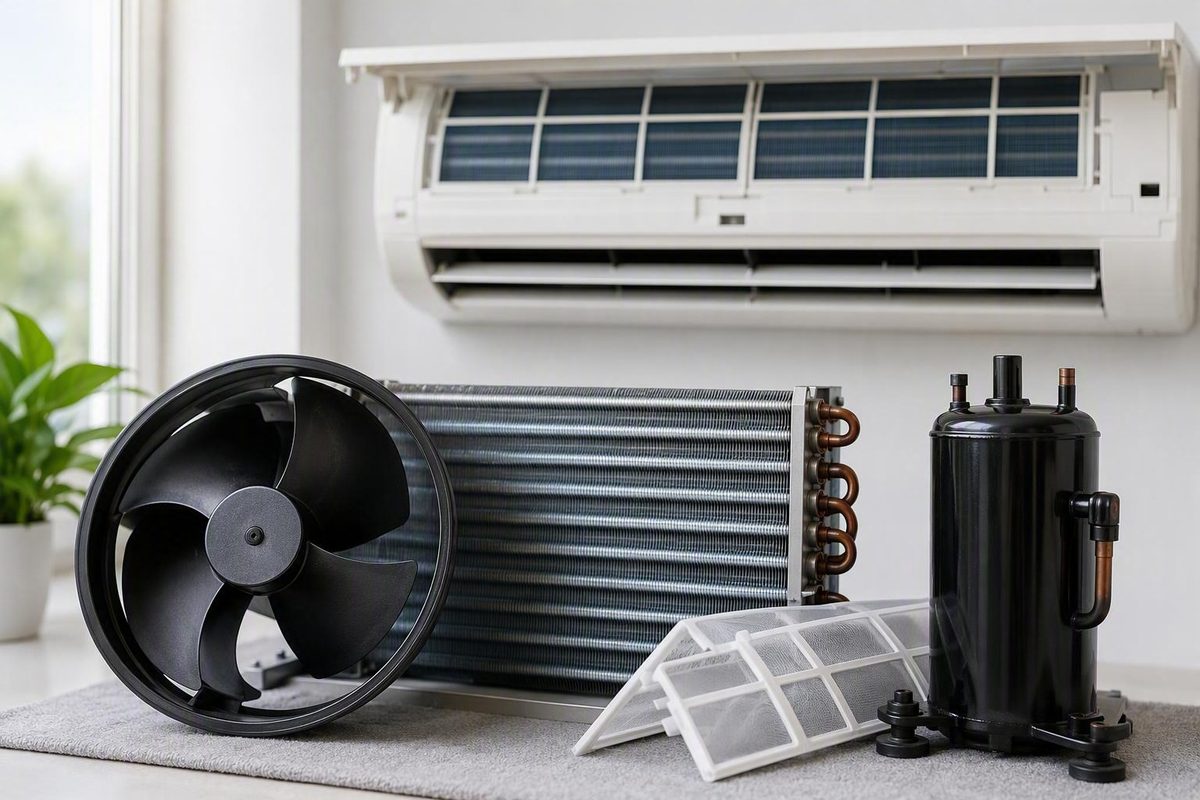
Once the basics are clear, compare a heat pump and a conventional split system by comfort, humidity handling, and heating needs.

Questions homeowners ask first

How often should I replace a filter?

Most homes fall somewhere between monthly and every three months, but the right interval depends on filter depth, runtime, pets, dust, and whether the system already struggles with airflow.

What is the clearest sign that an AC is oversized?

A thermostat that reaches setpoint very quickly while the rooms stay sticky or uneven is the biggest clue. Short cycles are usually more revealing than noise or age.

Do heat pumps make sense in humid climates?

Often yes, if the equipment is sized and staged well. The main goal is not just cold air but long enough runtime to remove moisture without making the system inefficient.

Should I change settings before calling a contractor?

You can note what the system does with the fan on auto, how long cycles last, and which rooms feel off. Do not open sealed parts or change refrigerant-side settings yourself.

Insights

From the blog

Start with the filter, then read the rest of the system

Use the guides on filter timing, oversizing, and humid-climate cooling before your next maintenance call.

When to replace a filter